What is Music Therapy?
AMTA Definition
Since 2005, the American Music Therapy Association Inc. (AMTA) has defined music therapy this way:
"Music Therapy is the clinical and evidence-based use of music interventions to accomplish individualized goals within a therapeutic relationship by a credentialed professional who has completed an approved music therapy program."
After assessing the strengths and needs of each client, the qualified music therapist provides the indicated treatment including creating, singing, moving to, and/or listening to music. Through musical involvement in the therapeutic context, clients' abilities are strengthened and transferred to other areas of their lives. Music Therapy also provides avenues for communication that can be helpful to those who find it difficult to express themselves in words.
Research in music therapy supports its effectiveness in many areas such as:
- Overall physical rehabilitation and facilitating movement
- Increasing people's motivation to become engaged in their treatment
- Providing emotional support for clients and their families
- Providing an outlet for expression of feelings


Neurologic Music Therapy (NMT)
How NMT works
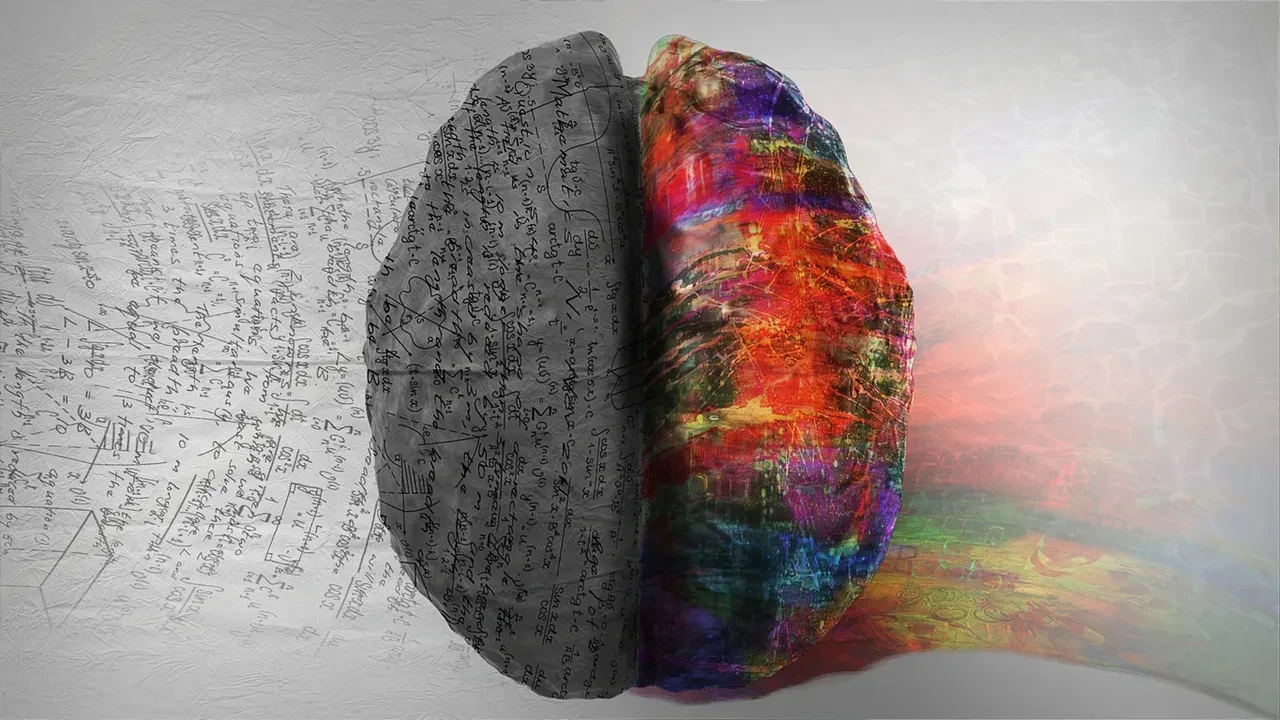
At Willow Song Music Therapy Services, we practice using the evidence-based technique of Neurologic Music Therapy (NMT). This approach focuses on using music and the elements of music (rhythm, melody, meter) to build pathways in the brain. In turn, we are able to train functional skills for improvement in cognitive rehabilitation, communication and coordinated motor movements.
Definition of Neurologic Music Therapy (NMT) — (Thaut, 1999)
The therapeutic application of music to cognitive, sensory, and motor dysfunctions due to neurologic disease of the human nervous system.
- Neurologic rehabilitation
- Neuropediatric
- Neurogeriatric
- Neurodevelopmental
The brain that engages in music is changed by engaging in music.
— Dr. Michael Thaut, NeuroScientist, and Professor of Music & Music Therapy
NMT utilizes music and rhythm to directly affect brain functioning. NMT focuses on specific, non-musical goals that are relevant to quality of life for an individual, and produces changes in the brain that extend far beyond the music therapy session. Results have been shown to drastically improve clients' everyday lives and functionality in society. Our specialized NMT sessions can help facilitate the recovery of important skills when there has been brain damage. We have also helped our clients develop strategies to get through daily activities when coping with degenerative brain disease.
Parkinson's Disease Goals
- •Use gait training and Rhythmic Auditory Stimulation to train clients' walking patterns to be more safe and functional
- •Emphasize heel strike with heel/toe gait pattern to decrease toe walking
- •Improve posture and balance
- •Use stop and go techniques to work on initiation and coordination while walking
- •Work on arm swing and trunk rotation with gait
- •Increase duration to work on endurance
- •Improve ability to walk through doorways
Developmental Disabilities
- •Use a variety of musical instruments to train motor coordination as well as movement to music to help develop coordination and body awareness
- •Improve speech articulation and initiation through vocal exercises, singing and rhythmic cueing
- •Improve such skills as sustained attention, following directions and learning academic and life skills
Traumatic Brain Injury & Stroke
- •Use rhythm in music to improve motor coordination and help facilitate the recovery of gait, gross and fine motor skills
- •Use music to help clients regain short functional phrases through singing
- •Use rhythmic speech cueing and adapted melodic intonation to initiate words and phrases that clients cannot access otherwise
Alzheimer's and Dementia
- •Decreasing social isolation
- •Improving emotional states
- •Increasing physical fitness & coordination
- •Decrease stress and irritability